Scott 3200A Tailwheel – Fully Rebuilt: Durable Tailwheel Steering and Landing Gear Solution
Scott 3200A Tailwheel – Fully Rebuilt: Durable Tailwheel Steering and Landing Gear Solution
Blog Article
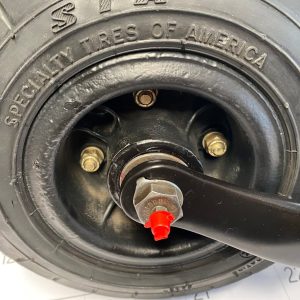
The Scott 3200A Tailwheel – Fully Rebuilt gives operators an alternative to an unknown used assembly when the rebuild process, component condition, and package contents are documented clearly. The meaning of fully rebuilt should be supported by information describing disassembly, cleaning, inspection, measurement, lubrication, component replacement, reassembly, adjustment, and functional testing.
A correctly rebuilt Scott 3200A Tailwheel Assembly can support predictable steering when installed and adjusted properly on a compatible aircraft. Professional rebuilding can renew worn mechanical relationships when suitable components and procedures are used.
The Aircraft Tailwheel Assembly should remain properly aligned, lubricated, secured, adjusted, and compatible with the complete aircraft steering system. The General Aviation Tailwheel should receive maintenance based on actual use, operating surface, contamination exposure, and observed condition.
Whether operators are sourcing a Heavy-Duty Aircraft Tailwheel, Tailwheel Aircraft Parts, or Aircraft Steering Tailwheel, condition and documentation should remain central.
Key Benefits of a Rebuilt Scott 3200A
The Scott 3200A combines mechanical steering and swivel functions in a design familiar to many tailwheel pilots, restorers, and aviation maintenance professionals. A system-level evaluation can identify the true cause of binding, looseness, poor centering, irregular tire wear, or inconsistent ground control.
Choosing a Scott 3200A Tailwheel Assembly
The Scott 3200A Tailwheel Assembly includes a wheel-and-fork structure combined with steering and swiveling mechanisms for suitable tailwheel-equipped airplanes. The quality of the finished assembly depends on component condition, correct reassembly, suitable here parts, and final functional evaluation.
Scott Tailwheel Reliability and Condition
The rebuilder should evaluate corrosion, cracking, bearing condition, spring strength, steering engagement, axle wear, bushing clearance, and fastener serviceability. A freshly painted assembly may still contain worn bearings, weak springs, excessive clearances, or damaged steering components when no true rebuild was completed.
How an Aircraft Tailwheel Assembly Works
An Aircraft Tailwheel Assembly allows the rear of the airplane to roll and respond to steering input during ground movement. Incorrect linkage tension can cause delayed steering, harsh engagement, restricted movement, or unnecessary component loading.
General Aviation Tailwheel Maintenance
Each operating environment places different demands on the tire, wheel, fork, bearings, steering mechanism, hardware, and lubrication. Professional verification helps prevent unsuitable installation and unnecessary project expense.
Aircraft Tailwheel Steering Performance
The tailwheel contributes to directional control as the aircraft transitions between stationary, taxi, acceleration, deceleration, and landing rollout. Abnormal wear may indicate misalignment, bearing problems, repeated shimmy, poor adjustment, or use on abrasive surfaces.
Benefits of a Taildragger Tailwheel
A Taildragger Tailwheel assists conventional-gear aircraft with directional control during taxi, takeoff, landing, and ramp maneuvering. Repeated hard pivoting can increase wear on the tire, bearings, springs, steering arms, fork, and mounting hardware.
Aviation Tailwheel System Inspection
A problem in one area can create symptoms elsewhere in the installation. Left and right steering connections should be inspected for matching condition and correct installation.
Inspecting Tailwheel Steering Components
Wear in these components may create looseness, poor tracking, inconsistent engagement, or delayed control. The mechanism should not interfere with surrounding structure, chains, springs, fairings, or nearby aircraft components.
Benefits of an Aircraft Ground Handling Tailwheel
Its mechanical condition influences how easily the aircraft can turn and track on the ground. Ground personnel should avoid forcing the aircraft beyond suitable steering limits.
Scott 3200 Series Tailwheel Heritage
The Scott 3200 Series Tailwheel has become familiar within general aviation through its use on numerous conventional-gear aircraft and restoration projects. Buyers should verify markings, mounting dimensions, steering-arm arrangement, wheel configuration, and included components.
Maintaining a Heavy-Duty Aircraft Tailwheel
A larger or heavier-looking assembly is not automatically appropriate for every aircraft. Preventive maintenance supports reliable Heavy-Duty Aircraft Tailwheel operation.
Choosing Tailwheel Aircraft Parts
Correct Tailwheel Aircraft Parts protect the integrity and performance of the rebuilt assembly. The rebuild should examine all interacting parts rather than focusing on external appearance.
Benefits of an Aircraft Steering Tailwheel
The assembly should respond without excessive delay, harsh engagement, binding, or uncontrolled movement. Pilots should use techniques appropriate to the aircraft and avoid unnecessary mechanical stress.
Installing a Replacement Aircraft Tailwheel
Aircraft records may reveal previous modifications or approved changes that influence replacement selection. A professional pre-installation review protects both the aircraft and the buyer’s investment.
Inspecting General Aviation Landing Gear Parts
Main-wheel alignment, brake condition, tire pressure, and airframe rigging can influence how a taildragger behaves on the ground. The product description should explain whether components are rebuilt, repaired, serviced, inspected, untested, or sold for parts.
Inspecting a Fully Rebuilt Scott 3200A
A detailed inspection reduces uncertainty and supports a more informed transaction.
- Request photographs of the front, rear, sides, wheel, fork, steering arms, mounting area, identification marks, and loose components.
- Do not treat clean paint, fresh grease, or bright hardware as proof of a complete mechanical rebuild.
- Confirm the seller’s terms, written invoice, rebuild documents, payment protection, shipping insurance, packaging method, inspection period, and return conditions.
Scott Tailwheel Fitment and Adjustment
Every fastener and component should match the intended installation and remain properly secured. Swivel engagement, release, centering, and directional action should operate consistently.
A post-installation inspection can confirm hardware security and reveal early movement marks.
Scott Tailwheel Maintenance Guide
Long-term maintenance includes lubrication, tire inspection, bearing review, steering-link checks, cleaning, fastener inspection, spring evaluation, and monitoring of ground-handling performance. Early attention supports reliable long-term operation.
Corrosion protection may be especially important in humid, coastal, agricultural, outdoor-storage, or wet operating environments.
Final Thoughts on the Rebuilt Scott 3200A
When professionally inspected, installed, adjusted, tested, and maintained, the Scott 3200A Tailwheel – Fully Rebuilt can become a reliable component of a compatible conventional-gear aircraft. The assembly should be judged according to total installation suitability rather than fresh paint, brand recognition, appearance, or price alone.
Whether the aircraft operates from pavement, grass, gravel, dirt, private strips, utility fields, or backcountry airfields, the tailwheel should match the actual aircraft and operating environment. With qualified evaluation and continued care, the Scott 3200A Tailwheel – Fully Rebuilt can deliver a professional combination of durability, directional control, and reliable aircraft ground performance.
Report this page